Complete Guide to Lawn Care: Practical Tips and Solutions for Common Problems
Mowing Season: When and How to Mow Your Lawn Correctly
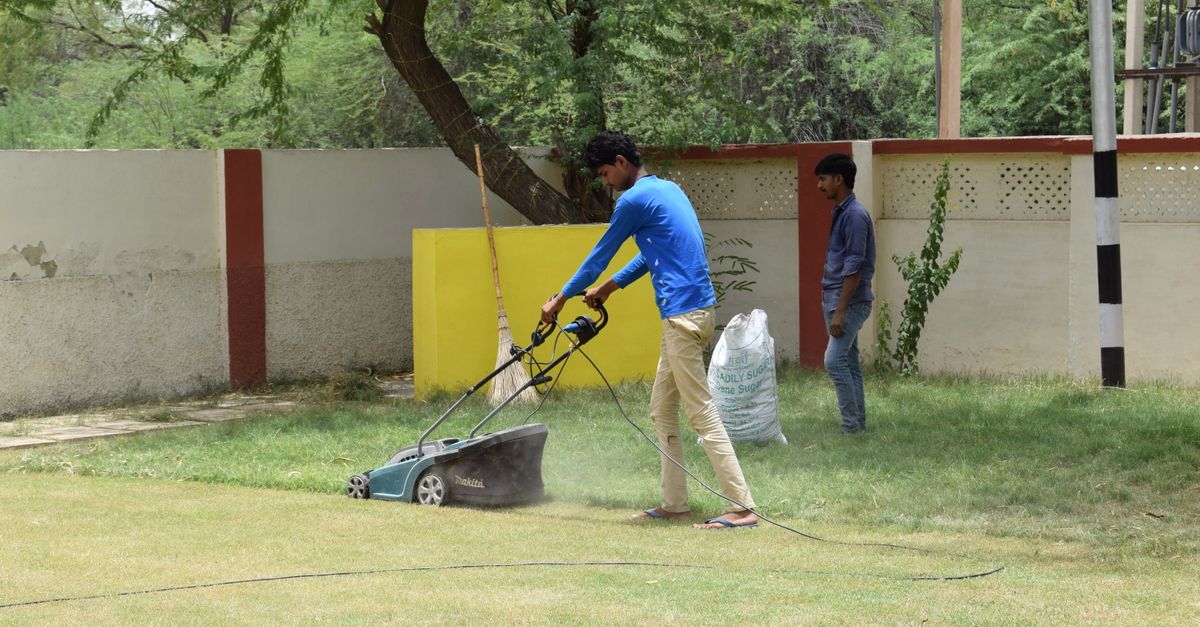
Proper lawn care begins with appropriate mowing, and the optimal timing for this varies depending on the season. Generally, regular mowing starts in spring when the grass begins to grow actively and continues until late autumn. During the spring months, it is recommended to mow the lawn once a week, maintaining a height of approximately 5-7 cm (2-3 inches) to allow the roots to develop strongly.
As temperatures rise in the summer, the grass can be left slightly longer, between 7-9 cm (3-3.5 inches), to protect the soil from heat and reduce water evaporation. During this period, it is important not to cut more than one-third of the total grass height in a single session to avoid stressing the lawn.
In autumn, the frequency of mowing can be reduced, but it is essential to prepare the lawn for winter with a final cut at a height of 5 cm (2 inches). This helps prevent the onset of fungal diseases and ensures rapid regeneration in the following spring.
Using a mower with sharp blades is crucial for achieving a clean cut and avoiding damage to the grass blades. Additionally, it is recommended to vary the mowing direction with each session to prevent soil compaction and encourage even growth.
How to Restore Burnt Patches in Your Lawn
Burnt patches in your lawn can occur for various reasons, such as excessive sun exposure, insufficient watering, or improper use of fertilizers. The first step in restoring these areas is to identify the cause. If the issue is a lack of water, ensure that your lawn receives approximately 1 inch of water per week, either through rainfall or irrigation.
Once the cause is identified, remove the dead grass and dry roots with a rake. Then, prepare the soil by aerating it using a fork or a manual aerator to allow air and water to penetrate. Apply a thin layer of compost or potting soil to improve soil quality.
Replant the area with grass seeds suitable for your climate and soil type. Spread the seeds evenly and lightly cover them with a thin layer of soil. Water the area daily, either early in the morning or late in the evening, until the new grass blades reach a height of 2-3 inches.
As the lawn recovers, avoid stepping on the newly planted areas and continue to monitor soil moisture. After about 4-6 weeks, you can begin to mow the grass carefully, ensuring that the mower blades are well-sharpened to prevent damage to the young blades.
Weed Control: Effective and Eco-Friendly Solutions
Maintaining a weed-free lawn is essential for a neat and healthy appearance. Instead of resorting to chemical herbicides, we can adopt eco-friendly methods that protect the environment. The first step is to prevent weeds by regular mowing. Keep the grass at a height of about 5-8 cm, which will shade the soil and prevent weed seeds from germinating.
Another important aspect is soil aeration. This can be done in spring and fall using a manual or mechanical aerator. Aeration improves drainage and stimulates lawn root growth, making it more competitive against weeds.
Using natural herbicides is an effective and safe alternative. White vinegar, for example, can be applied directly to weeds on a sunny day, taking care not to touch the desired grass. Additionally, you can use a mixture of water and salt to treat affected areas.
- Apply white vinegar directly to the leaves of weeds, repeating the treatment every 2 weeks.
- Sprinkle cornmeal on the soil to prevent weed seeds from germinating.
- Use a layer of bark mulch to smother weeds and retain soil moisture.
- Plant perennial grasses or wildflowers that can compete with weeds for resources.
By applying these simple and eco-friendly methods, you will be able to effectively control weeds and maintain a healthy and green lawn.
Preventing and Treating Lawn Fungal Diseases
Fungal diseases are a common issue for lawns, but with proper care, they can be effectively prevented and treated. The most common fungal diseases include snow mold, brown patch, and rust. Early identification is crucial to prevent their spread.
To prevent these diseases, ensure that the lawn is well-aerated. Aeration is typically done in spring and fall by perforating the soil at intervals of 10-15 cm. This process improves drainage and allows the roots to breathe. Also, avoid overwatering; water the lawn early in the morning, 2-3 times a week, to allow the grass to dry throughout the day.
If the lawn is already affected, applying a fungicide may be necessary. Choose an appropriate fungicide for the identified disease type and follow the instructions on the package. For example, for brown patch, apply the fungicide every 14 days until the symptoms disappear. Make sure not to exceed the recommended dosage to avoid damaging the lawn.
Proper lawn maintenance, including regular mowing to a height of 5-7 cm, helps prevent the development of fungal diseases. A well-maintained lawn is less susceptible to infections and will maintain its healthy, green appearance throughout the year.
Proper Lawn Watering: Tips for Efficiency and Conservation
Proper watering of your lawn is essential for maintaining a lush and healthy green carpet. It's important to strike a balance between providing enough water to support growth and avoiding waste. Generally, lawns require about 1 inch of water per week, including natural rainfall.
A crucial aspect is the time of day when you water your lawn. It's best to water early in the morning, between 5 and 9 AM, to minimize evaporation and allow the grass to dry before evening, thus preventing fungal diseases.
- Use a rain gauge to measure the amount of water applied and adjust your irrigation system based on rainfall.
- Avoid shallow and frequent watering. Instead, opt for less frequent, longer sessions that allow water to penetrate deeply into the soil, encouraging stronger roots.
- Regularly check your irrigation system for leaks or faulty sprinkler heads, which can lead to water waste.
- Consider using a drip irrigation system or efficient sprinklers to reduce evaporation.
Avoid overwatering, which can lead to mold and other diseases. By following these tips, you can maintain a healthy lawn while conserving water at the same time.
Lawn Fertilization: Step-by-Step Guide and Checklist
Proper lawn fertilization is essential to ensure a lush and healthy green carpet throughout the year. Start by choosing a suitable fertilizer, whether organic or synthetic, and apply it according to the package instructions. A typical lawn requires about 1 kg of nitrogen per 100 square meters annually, but this can vary depending on the type of grass and local conditions.
Spring and fall are ideal times for fertilization, as moderate temperatures and humidity aid in the efficient absorption of nutrients. Before application, make sure the lawn is slightly moist to prevent grass burn. Avoid fertilizing during periods of extreme drought or intense heat.
- Check the weather forecast and choose a rain-free day to prevent the fertilizer from being washed away.
- Use a fertilizer spreader for even application.
- Water the lawn after fertilization to help dissolve and absorb the nutrients.
- Monitor the lawn's appearance and adjust the amount of fertilizer according to specific needs.
- Test the soil periodically to determine the exact nutrient requirements.
By following these steps, you can maintain a healthy and attractive lawn while reducing the risk of diseases and weeds.
Conclusion: Maintaining a Healthy Lawn Year-Round
Lawn care is not just a seasonal activity but a year-round commitment. To have a green and healthy lawn, it's essential to follow a regular maintenance schedule. Regular mowing is crucial; make sure not to cut more than one-third of the grass blade's height at each mowing to prevent plant stress. During the summer months, when temperatures are high, raise the mower blade to retain soil moisture.
Watering should be efficient and well-planned. Generally, the lawn needs about 1 inch of water per week, either from rain or irrigation. It is recommended to water early in the morning to reduce evaporation and the risk of fungal diseases. Regarding fertilization, apply fertilizers two to three times a year, depending on the soil and lawn type, to ensure the necessary nutrients for healthy growth.
Weed control and prevention of fungal diseases are also essential aspects. Use selective herbicides to combat weeds and ensure the lawn is well-aerated to prevent moisture buildup, which can lead to disease. Therefore, a well-structured program tailored to local conditions will ensure your lawn remains a source of pride and joy throughout the year.
Quick Application Checklist
Before implementing the recommendations from the article "Complete Guide to Lawn Care: Practical Tips and Solutions for Common Problems," briefly assess the actual situation in your household or farm. For lawn care, the best results come when you document your actions, compare them with the local weather, and return after a few days for a simple check.
- Record the date and the specific plot or area where you are applying the treatment.
- Check the weather forecast for the next 24-48 hours.
- Prepare all necessary materials before starting the task.
- Apply the recommendation to a clearly defined and easily monitored area.
- Take a photo before and another one after 7 days for comparison.
- Update your records in EcoAsistent to track the history.
Conclusion
A good plan doesn't mean more work, but fewer hasty decisions. By following the steps, noting observations, and checking the results after a few days, you can turn a general recommendation into a practical decision for your land, animals, or equipment.