Effective Plant Protection Treatments: A Practical Guide for Farmers and Gardeners
The Importance of Seasonal Treatments
Proper application of plant protection treatments is crucial to ensure the health and productivity of crops. In regions with varying climatic conditions throughout the year, such as Romania, it is essential to adapt treatment methods according to the season. For instance, in spring, when temperatures begin to rise and humidity is high, it is the ideal time to apply preventive treatments against fungal diseases in fruit trees. A copper-based fungicide treatment can prevent diseases like scab or moniliosis.
Conversely, during summer, when temperatures are higher and rainfall is less frequent, the focus should be on controlling pests such as aphids or mites. During this period, treatments should be applied early in the morning or late in the evening to avoid rapid evaporation of solutions and to protect plants from heat stress.
In autumn, attention shifts to preparing plants for winter. Applying a horticultural oil treatment can help reduce the population of pests overwintering on the bark of trees. It is important to adhere to application intervals and constantly monitor weather conditions to adapt treatments effectively and safely. By doing so, farmers and gardeners can protect their crops and ensure healthy and abundant harvests.
Practical Steps for Correct Application of Treatments
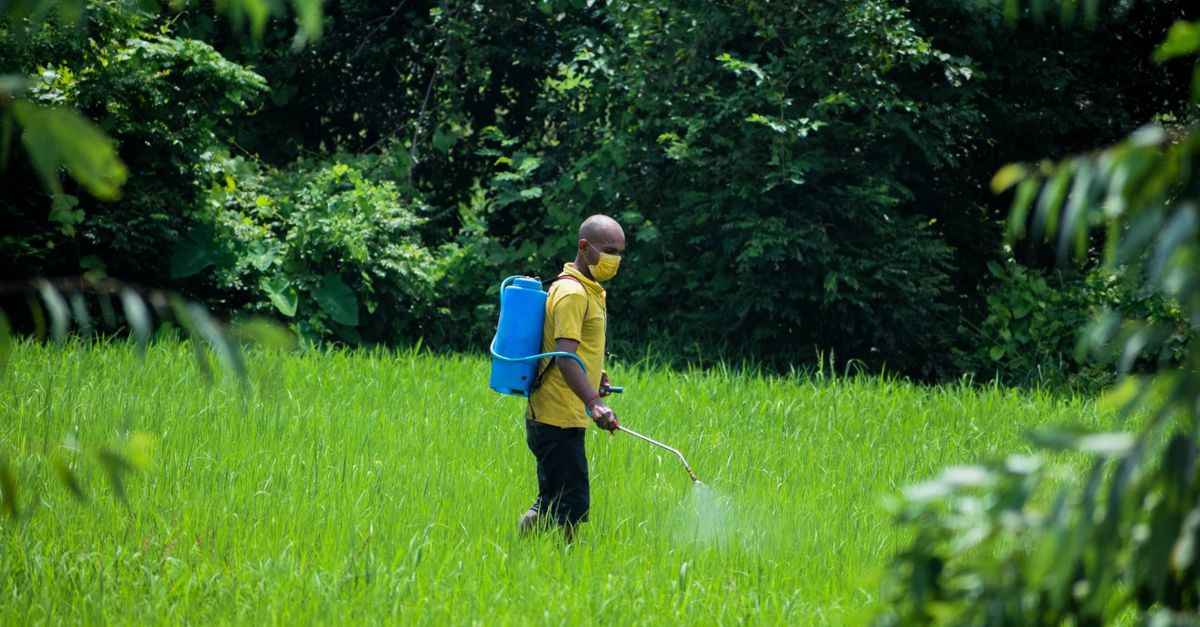
Applying plant protection treatments correctly is essential to ensure crop health and achieve abundant harvests. Before starting, make sure you have the necessary equipment: a sprayer, gloves, a protective mask, and appropriate clothing. It is important to choose the right time for application, usually early in the morning or in the evening, to avoid rapid evaporation of the solutions.
Begin by preparing the solution according to the instructions on the label. For example, for fungicide treatments on trees, dilute the product in water according to the recommended proportions. Ensure the solution is well mixed before application.
For fruit trees, apply treatments based on the phenological stage: at bud break, before flowering, and after petal fall. For vines, a crucial time is before flowering and during berry formation. For vegetables, treatments are usually applied at the appearance of the first true leaves and repeated according to the specific instructions of each product.
Ensure even spraying, covering all parts of the plant, including the underside of the leaves. Monitor weather conditions and avoid application before rain or on windy days. After application, clean the equipment to prevent future contamination.
Numerical Example: Correct Dose Calculation
Accurate dose calculation for plant treatments is crucial to ensure their effectiveness and safety. Let's take a common fungicide used for fruit tree protection as an example. Suppose the product is recommended at 0.5 liters per hectare. Here's how to proceed:
- Determine the area: Measure the exact area you need to treat. For instance, if you have an orchard of 0.2 hectares, use this value in your calculation.
- Calculate the required dose: For an area of 0.2 hectares, the necessary dose of fungicide will be 0.5 liters/hectare * 0.2 hectares = 0.1 liters. Therefore, you will use 100 ml of the product for the entire area.
- Prepare the solution: Mix the 100 ml of fungicide with the amount of water recommended on the label. Typically, for a liquid fungicide, 10 liters of water are recommended for every 100 ml of product.
- Apply the treatment: Ensure you apply the solution evenly across the entire area, avoiding overdosing in certain spots. Use a properly calibrated sprayer.
- Monitor the effects: After application, observe the plants to ensure the treatment was effective and there are no adverse effects.
Following these steps will help you use resources efficiently and protect your plants without unnecessary risks.
Common Mistakes to Avoid in Plant Treatments
One of the most frequent mistakes made by farmers and gardeners is applying treatments at inappropriate times. For instance, applying pesticides in the middle of the day, when temperatures are high, can lead to the rapid evaporation of active substances, thus reducing the effectiveness of the treatment. To avoid this, it is recommended to apply treatments early in the morning or in the evening, when temperatures are lower and humidity is higher.
Another common mistake is using incorrect doses of substances. Using too little may not provide the necessary protection, while too much can harm the plants and the environment. It is essential to carefully read product labels and adhere to the manufacturer's recommended doses. For example, for a specific fungicide, the recommended dose might be 2 ml per liter of water, applied at intervals of 7-10 days.
Additionally, many gardeners do not clean their spraying equipment after use, which can lead to contamination of subsequent treatments and reduce their effectiveness. Make sure to thoroughly wash the equipment after each use, using clean water, to prevent the buildup of chemical residues.
Checklist for Applying Treatments
Proper application of plant protection treatments is crucial to ensuring crop health and achieving abundant harvests. Here is a detailed checklist to guide you before, during, and after applying treatments:
- Before application: Check the weather forecast to ensure there will be no rain in the next 24 hours. Make sure your equipment is clean and properly calibrated. Read the product label to determine the correct dosage and optimal application time.
- During application: Apply the treatment early in the morning or late in the evening to avoid rapid evaporation. Ensure even coverage of all parts of the plant, including the underside of the leaves. Use personal protective equipment, such as gloves and a mask, to prevent exposure to chemicals.
- After application: Clean the equipment immediately after use to prevent residue buildup that can affect future efficiency. Monitor the plants to observe the effects of the treatment and identify any signs of stress or damage. Record the date and type of treatment applied to maintain an accurate history of interventions.
By following these steps, you will contribute to the effective protection of your plants, reducing risks and maximizing the benefits of the treatments applied.
The Role of Phenological Stages in Choosing Treatments
Accurate identification of the phenological stages of plants is crucial for the effective application of protective treatments. Each plant undergoes distinct development phases, and treatments must be adjusted according to these stages to ensure optimal protection and avoid wasting resources.
The first step is careful observation of the plants. For instance, in fruit trees, phenological stages include bud swelling, flowering, and fruit formation. In the case of grapevines, the stages are bud break, leaf appearance, and grape ripening. For vegetables, stages range from germination to harvest.
It is important to know and understand these stages to apply treatments at the right time. Here are some concrete steps:
- Monitor plants daily to observe visible changes.
- Use a crop-specific phenological calendar to anticipate upcoming stages.
- Check weather forecasts to avoid applying treatments before rain.
- Choose protection products compatible with the observed phenological stage.
- Adhere to recommended dosages to prevent adverse effects on plants and the environment.
By accurately identifying phenological stages and applying appropriate treatments, you can ensure the health and productivity of your crops.
Conclusions and Final Recommendations
Effective plant protection is essential to ensure the health and productivity of crops, whether they are trees, vines, vegetables, or cereals. In this guide, we have emphasized the importance of applying treatments according to the specific phenological stages of each crop. It is crucial to constantly monitor the development stage of the plants to intervene at the optimal time.
For trees, it is recommended to apply preventive treatments immediately after leaf fall and before flowering, using copper-based products to prevent fungal diseases. For vines, sulfur treatments are effective in the pre-flowering period to combat downy mildew and powdery mildew.
In the case of vegetables, crop rotation and the use of biopesticides can significantly reduce the incidence of pests. For example, applying garlic or nettle extract at two-week intervals can keep harmful insects at bay.
Farmers growing cereals should pay special attention to weed treatments, applying selective herbicides at the 2-3 leaf stage. It is recommended to check weather forecasts to avoid applying treatments before heavy rains, which could reduce their effectiveness.
In conclusion, careful planning and correct application of treatments, along with preventive measures, are key to maintaining healthy and productive crops. Always consult product labels and adhere to recommended dosages to avoid negative effects on the environment and human health.
Quick Application Checklist
Before implementing the recommendations from the article "Effective Treatments for Plant Protection: A Practical Guide for Farmers and Gardeners," briefly assess the actual situation in your household or farm. For treatments and plant protection, the best results occur when you document your actions, compare them with local weather conditions, and return after a few days for a simple check.
- Record the date, plot, or area where you are applying the treatment.
- Check the weather forecast for the next 24-48 hours.
- Prepare the necessary materials before starting the work.
- Apply the recommendation to a clearly defined and easily monitored area.
- Take a photo before and another one after 7 days for comparison.
- Update your records in EcoAsistent to track the history.
Conclusion
A good plan doesn't mean more work, but fewer rushed decisions. By following the steps, noting observations, and checking results after a few days, you can turn a general recommendation into a practical decision for your land, animals, or equipment.