Garden Planning: Planting Calendar and Crop Rotation in Romania
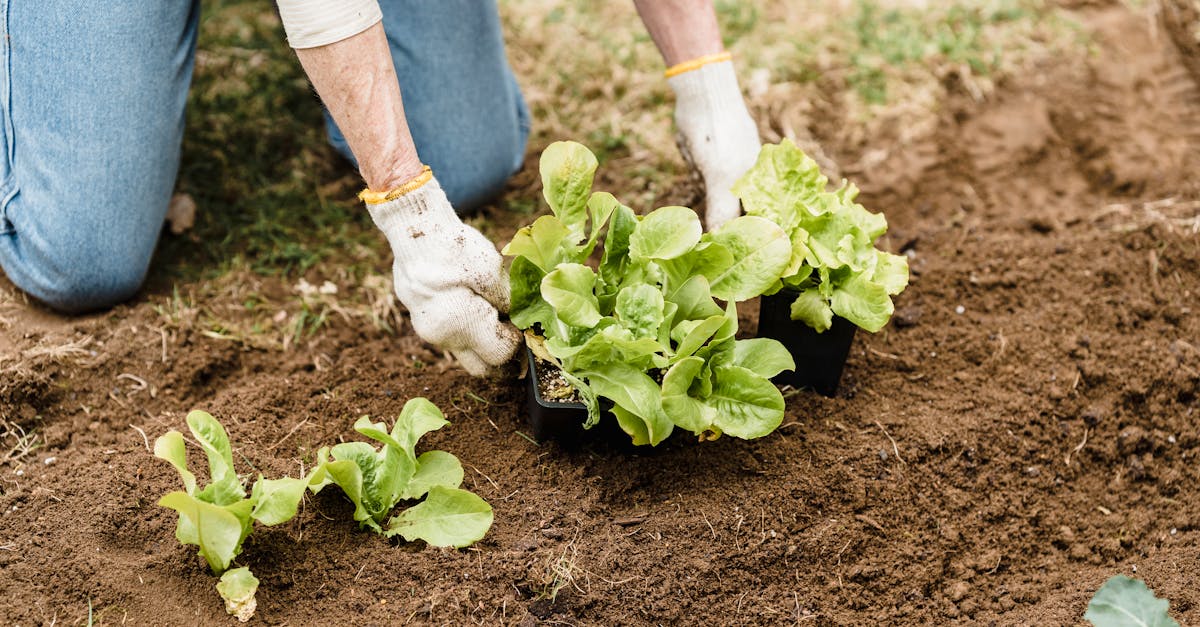
The Importance of Seasonal Planning in Gardening
Seasonal planning in gardening is essential to ensure a rich and healthy harvest. In Romania, the varied climate and seasonal changes directly influence the optimal timing for sowing and planting. For example, knowing the frost periods is crucial to avoid losses caused by planting cold-sensitive crops, such as tomatoes or peppers, too early. In colder regions, sowing these plants should occur after May 15, when the risk of frost has passed.
Seasonal planning also involves crop rotation, a practice that helps maintain soil health and prevent the buildup of pests and diseases. For instance, after a legume crop, which enriches the soil with nitrogen, it is beneficial to plant vegetables that consume a lot of nitrogen, such as cabbage or potatoes. This cycle not only optimizes the use of soil nutrients but also reduces the need for chemical fertilizers.
A well-structured planting calendar, adapted to local conditions, can guide gardeners in choosing the right time for each activity, from sowing and transplanting to harvesting. This not only maximizes production but also contributes to more sustainable and efficient gardening.
Practical Steps for Creating a Planting Calendar
Creating a personalized planting calendar is essential to maximize the yield and health of your crops. Start by assessing the specific climate conditions of your region. Romania has diverse climatic zones, so it's important to tailor your planning according to local average temperatures and rainfall.
The first step is choosing the crops you want to plant. Consider your family's preferences and the needs of the local market. Ensure you select varieties suited to your area's conditions. For instance, in cooler regions, opt for cold-resistant varieties of cabbage or potatoes.
Determine the optimal time for sowing and transplanting. Generally, spring vegetables like lettuce and spinach can be sown in March-April, while summer crops such as tomatoes and peppers are planted after the risk of frost has passed, usually in May. Check the weather forecast to adjust planting dates based on current conditions.
Plan crop rotation to prevent soil depletion and disease spread. For example, alternate legumes with root or leafy vegetables. This helps maintain soil fertility and reduces the need for chemical fertilizers.
Finally, use a journal or gardening app to track progress and make adjustments throughout the season. This way, you'll have a well-structured planting calendar tailored to your specific needs.
Example Planting Calendar for a Small Garden
Proper planting planning is essential to maximize the yield of a small garden. In Romania, climatic conditions vary, but a well-structured planting calendar can help optimize the use of space and time. Here is an example of a planting calendar for a garden of approximately 50 square meters, which includes some of the most popular crops:
- March - April: Sow radishes, spinach, and lettuce. These crops prefer cooler temperatures and can be planted directly into the soil after the risk of frost has passed.
- May: Plant tomato, pepper, and eggplant seedlings. These require warmer temperatures and should be prepared indoors a few weeks before transplanting.
- June: Sow green beans and zucchini. These thrive in the summer heat and can be planted directly in the garden.
- July - August: Plant fall cabbage and broccoli for a late harvest. These vegetables can withstand cooler temperatures and are ideal for a fall harvest.
- September: Sow spinach and fall lettuce to have fresh greens until the first frosts.
Adjust these dates according to the local microclimate and past experiences. Crop rotation is crucial to prevent soil depletion and disease, so ensure that you do not plant the same crops in the same place each year.
Common Mistakes in Garden Planning and How to Avoid Them
One of the most frequent mistakes beginner gardeners make is not considering the planting calendar specific to their area. In Romania, the climate varies significantly from north to south and east to west, so it's essential to adapt planting times according to your region. For example, in southern areas, you can start planting vegetables like lettuce or spinach as early as March, while in the north, it's better to wait until April.
Another common mistake is not practicing crop rotation, which can lead to soil depletion and the buildup of specific pests. Make sure to rotate crops so that plants from the same family are not grown in the same spot for more than two consecutive seasons. For instance, after a year of growing tomatoes, you can plant beans or peas to enrich the soil with nitrogen.
Additionally, overcrowding the garden with too many plants can be an issue. Each plant needs space to develop properly. Follow the recommended spacing between plants, such as 30-40 cm between rows of carrots, to prevent competition for nutrients and light.
Finally, do not underestimate the importance of well-prepared soil. Test the soil's pH and add necessary amendments to correct any deficiencies. Healthy soil is the foundation of a productive garden and will help you avoid many long-term problems.
Crop Rotation Checklist
Crop rotation is essential for maintaining soil health and preventing pests and diseases. By following a well-structured plan, you can ensure a productive and sustainable garden. Here are a few key points to keep in mind:
- Plan rotation for at least three years: Ensure that no crop returns to the same plot earlier than three years. This helps prevent the buildup of plant-specific pathogens.
- Group plants by family: Plants from the same family have similar nutrient requirements and are susceptible to the same diseases. For example, tomatoes, peppers, and eggplants belong to the Solanaceae family and should be rotated together.
- Include legumes in the rotation: Plants like peas and beans fix nitrogen in the soil, improving its fertility for subsequent crops.
- Alternate deep-rooted and shallow-rooted crops: This helps maintain soil structure and ensures the efficient use of nutrients. For example, plant lettuce or onions after a carrot crop.
- Monitor and adjust: Pay attention to signs of soil depletion or disease and adjust your rotation plan if necessary. Keep notes of your observations to improve planning in the coming years.
By applying these steps, you will be able to keep your garden healthy and achieve bountiful harvests year after year.
Planning Garden Areas for Maximum Efficiency
Proper planning of your garden areas can make the difference between a bountiful harvest and a mediocre one. First and foremost, it's important to divide the garden into distinct zones based on the type of plants and their specific needs. For instance, vegetables that require a lot of sunlight, such as tomatoes and peppers, should be planted in the sunniest parts of the garden. Conversely, plants that prefer partial shade, like lettuce and spinach, can be placed in shadier areas.
Another essential aspect is crop rotation. This helps prevent soil depletion and reduces the risk of diseases. Plan the rotation so that you don't plant the same family of plants in the same spot for more than two consecutive years. For example, after growing legumes, which enrich the soil with nitrogen, you can plant nitrogen-hungry vegetables like cabbage or corn.
- Divide the garden into zones of 1-2 square meters for easy management.
- Use raised beds for vegetables with deep roots.
- Plan crop rotation on a 3-4 year cycle.
- Include companion plants to deter pests.
- Enhance the soil with compost between seasons to maintain fertility.
By applying these strategies, you will be able to maximize the efficiency and productivity of your garden, ensuring that every corner of the garden is used to its fullest potential.
Conclusion: The Benefits of Well-Executed Planning
Effective garden planning offers numerous benefits, leading to abundant and healthy harvests. A planting calendar tailored to Romania's climatic conditions allows gardeners to sow and transplant at optimal times, thereby maximizing the success of their crops. For instance, sowing carrots in early March and tomatoes in May can ensure optimal plant development.
Crop rotation is another essential aspect of planning, preventing soil depletion and reducing the risk of diseases and pests. By alternating vegetable crops with legumes, such as beans or peas, soil fertility can be improved due to nitrogen fixation. Additionally, crop rotation helps maintain a balanced ecosystem, promoting biodiversity.
Careful planning also aids in the efficient management of resources like water and fertilizers, thus reducing costs and environmental impact. For example, using a drip irrigation system can save up to 30% of water compared to traditional methods.
In conclusion, well-executed planning not only optimizes production but also contributes to a healthier and more sustainable environment, ensuring Romanian gardeners and farmers quality harvests and long-term satisfaction.
Quick Application Checklist
Before implementing the recommendations from the article "Garden Planning: Planting Calendar and Crop Rotation in Romania," briefly assess the actual situation in your household or farm. For the planting calendar and garden planning, the best results occur when you document your actions, compare them with local weather conditions, and revisit with a simple check after a few days.
- Record the date and the plot or area where you are applying the work.
- Check the weather forecast for the next 24-48 hours.
- Prepare the necessary materials before starting the work.
- Apply the recommendation to a clearly defined and easily monitored area.
- Take a photo before and another one after 7 days for comparison.
- Update the records in EcoAsistent to track the history.
Conclusion
A good plan doesn't mean more work, but rather fewer rushed decisions. By following the steps, noting observations, and checking results after a few days, you can turn a general recommendation into a practical decision for your land, animals, or equipment.