Garden Planting Calendar and Planning: A Practical Guide for Gardeners in Romania
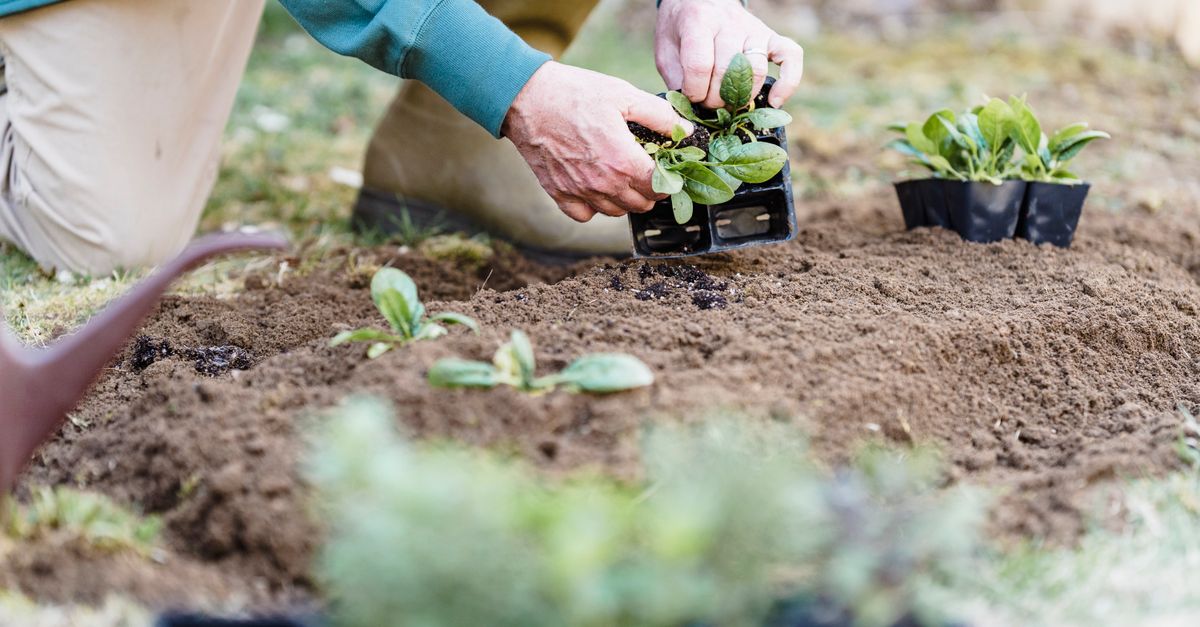
The Importance of a Planting Calendar in Romania
A well-structured planting calendar is essential for any gardener in Romania aiming to achieve bountiful and healthy harvests. Given the country's diverse climate and varied soil types, careful planning of sowing and transplanting periods becomes crucial. For instance, in the southern regions of Romania, where springs arrive earlier, sowing can begin as early as March for crops like lettuce or spinach. Conversely, in mountainous areas, these activities are postponed until April or even later.
An adapted planting calendar helps you avoid losses caused by late frosts or prolonged droughts. It also allows you to plan crop rotation, a vital aspect for maintaining soil fertility and preventing diseases. For example, after a legume crop, which enriches the soil with nitrogen, it is recommended to plant vegetables that consume more nitrogen, such as tomatoes or peppers.
Moreover, adhering to a planting calendar contributes to the efficient use of available resources, such as water and fertilizers, and reduces the negative impact on the environment. Thus, such a calendar not only optimizes production but also promotes sustainable gardening.
Practical Steps for Creating a Planting Calendar
Creating a personalized planting calendar is essential to maximize the productivity and health of your garden. The first step is to select the crops you want to plant, considering your culinary preferences and the requirements of each plant. For example, tomatoes, peppers, and eggplants are popular in gardens and require a longer growing season.
Once you've chosen the crops, establish the sowing and transplanting dates. Generally, vegetable seeds like tomatoes and peppers are sown indoors in February or March, to be transplanted outside after the danger of frost has passed, usually in April or May. Consult the specifications for each plant to adjust these dates accordingly.
It's important to adapt the calendar to your local microclimate. For instance, if you live in a mountainous area, you might need to delay transplanting by a few weeks compared to lowland areas. Observe and note in your calendar the frost and drought periods from previous years to adjust your planning.
Don't forget about crop rotation, which helps prevent diseases and maintain soil fertility. For example, after a season of tomatoes, plant legumes like beans, which enrich the soil with nitrogen. This step is essential for maintaining healthy and productive soil in the long term.
Numerical Example of Garden Planning
Planning your garden can be simplified by using an accurate calendar that includes crop rotation and planting succession. Here is a numerical example of planning a garden throughout the year, adapted to the climatic conditions of Romania.
Start in March by planting radishes and lettuce, which can be harvested after approximately 4-6 weeks. In April, you can plant tomato and pepper seedlings, which will be ready for harvest in July-August. After harvesting the radishes and lettuce, in May, you can sow green beans, which will be available for harvest in June-July.
In June, after picking the first tomatoes, you can plant spinach for a fall harvest. In September, after collecting the green beans, you can sow arugula, which will be ready to harvest in October. This rotation system ensures efficient use of space and resources, reducing the risk of soil depletion and disease occurrence.
- March: Sow radishes and lettuce
- April: Plant tomato and pepper seedlings
- May: Sow green beans after harvesting radishes
- June: Plant spinach after picking tomatoes
- September: Sow arugula after harvesting green beans
This plan exemplifies how you can have a productive garden throughout the year by adapting plantings to the season and the cultural specifics of your region.
Common Mistakes in Garden Planning and How to Avoid Them
Garden planning is essential for achieving a rich and healthy harvest. One of the most frequent mistakes is ignoring crop rotation. Growing the same plant in the same spot year after year can deplete the soil of nutrients and increase the risk of diseases. To avoid this, rotate crops every 2-3 years, alternating legumes with leafy or root vegetables.
Another common mistake is overcrowding the garden with too many plants. This can lead to competition for resources and poor growth. It is important to adhere to the recommended planting distances, for example, for tomatoes, maintain a space of about 50-60 cm between plants.
Additionally, many gardeners underestimate the importance of timing in planting. Sowing too early or too late can affect germination and plant development. In Romania, it is recommended to plant spring vegetables, such as lettuce and spinach, in March-April, and summer vegetables, like peppers and eggplants, in May-June.
Finally, do not neglect soil quality. Testing the soil's pH and nutrients at the beginning of each season can help you add the necessary amendments, thus ensuring an optimal environment for plant growth. By avoiding these common mistakes, you can enjoy a productive and healthy garden.
Seasonal Garden Planning Checklist
Seasonal planning is crucial to ensure a productive and healthy garden. Here's a checklist to help you organize efficiently throughout each season:
- Spring: Start by preparing the soil. Till and fertilize the ground with compost or organic fertilizers. It's time to plant cold-resistant vegetables like spinach and radishes. Don't forget to check and repair irrigation systems.
- Summer: Monitor soil moisture and water regularly, especially during dry spells. Plant summer crops such as tomatoes and peppers. Ensure plants are protected against pests using natural methods, like companion planting.
- Autumn: Harvest the last vegetables and prepare the garden for winter. Plant cover crops, such as clover, to improve soil structure. Begin composting plant residues to have natural fertilizer ready for spring.
- Winter: Check and maintain gardening tools. Plan crop rotation for the next year, considering what worked well and what didn't. You can also start germinating seeds indoors to have seedlings ready by early spring.
By following this checklist, you can optimize your efforts and enjoy a thriving garden each season.
Garden Zones and Crop Rotation: Effective Strategies
Dividing your garden into distinct zones is crucial for maintaining soil and crop health. Each zone should be dedicated to a specific type of plant or group of plants with similar needs. This strategy simplifies resource management and helps prevent nutrient depletion in the soil.
Crop rotation is an agricultural practice that involves changing the planting location of crops from year to year. This helps prevent the buildup of pests and diseases and maintains soil fertility. For example, after a year of nitrogen-fixing legumes like beans, it is recommended to plant a crop that consumes more nitrogen, such as cabbage.
- Plan rotation on a 3-4 year cycle: Alternate root, leaf, fruit, and legume crops to maintain nutrient balance.
- Avoid planting the same plant family in the same spot: For instance, do not plant tomatoes after potatoes, as both belong to the Solanaceae family and can share pests.
- Use cover crops: Plant clover or mustard between seasons to improve soil structure and prevent erosion.
- Monitor and adjust: Check plant health and soil quality annually to adjust rotation and improve yield.
By implementing these strategies, you can keep your garden productive and healthy in the long term, reducing the need for chemical fertilizers and pesticides.
Conclusion: The Benefits of Proper Garden Planning
Proper garden planning offers numerous benefits, contributing to its long-term health and productivity. A well-structured planting calendar allows gardeners to maximize space utilization and achieve abundant harvests. For instance, through crop rotation, soil fertility is maintained, and the risk of diseases and pests is reduced. Alternating vegetables with different nutritional requirements, such as tomatoes followed by beans, helps balance soil nutrients.
Another advantage of planning is optimizing planting times. Knowing the ideal periods for sowing and transplanting, such as planting lettuce in March or cucumbers in May, ensures optimal plant development. Additionally, planning helps avoid overlapping crops that compete for the same resources, thus ensuring a healthier growing environment.
Moreover, careful planning aids in the efficient management of resources like water and fertilizers, reducing waste and costs. By applying these principles, gardeners can create a balanced ecosystem that supports biodiversity and promotes a sustainable environment. Thus, a well-planned garden not only enhances productivity but also contributes to environmental protection.
Quick Application Checklist
Before you apply the recommendations from the article "Planting Calendar and Garden Planning: A Practical Guide for Gardeners in Romania," briefly assess the actual situation in your household or farm. For the planting calendar and garden planning, the best results come when you record what you've done, compare it with the local weather, and return after a few days for a simple check.
- Record the date, plot, or area where you are applying the work.
- Check the weather forecast for the next 24-48 hours.
- Prepare the necessary materials before starting the work.
- Apply the recommendation to a clearly defined and easily monitored area.
- Take a photo before and another one after 7 days for comparison.
- Update your records in EcoAsistent to track the history.
Conclusion
A good plan doesn't mean more work, but fewer rushed decisions. By following the steps, noting observations, and checking results after a few days, you can turn a general recommendation into a practical decision for your land, animals, or equipment.