Practical Guide for Planting Calendar and Garden Planning in Romania
The Importance of Seasonal Garden Planning
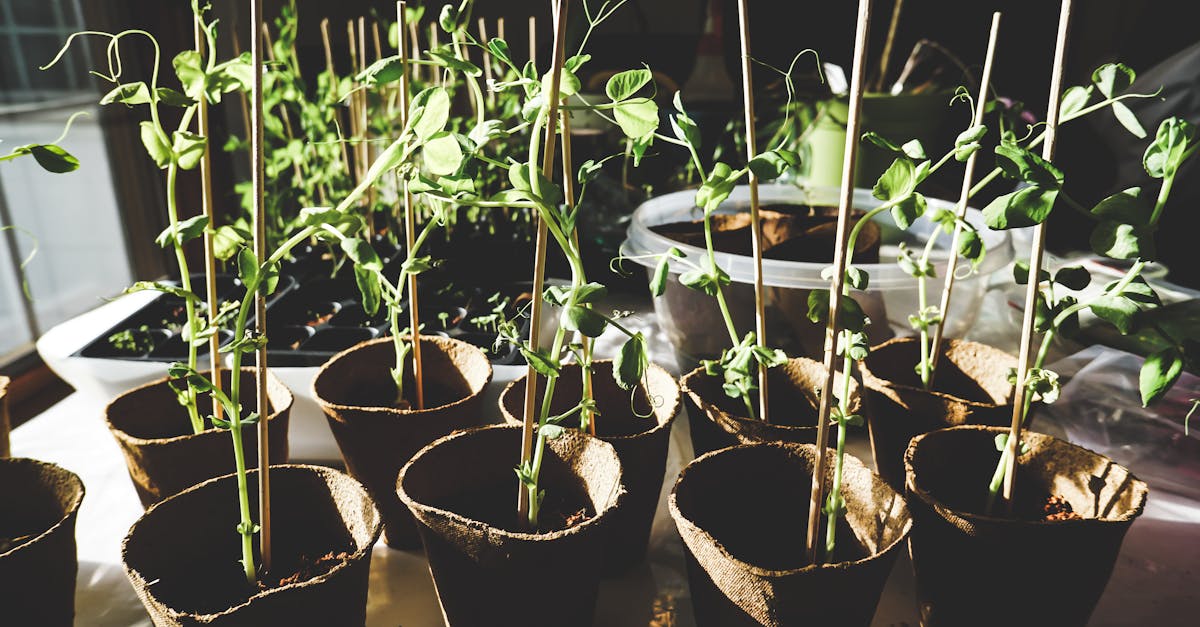
Seasonal garden planning is crucial for ensuring a healthy and productive harvest, tailored to the specific climatic conditions of Romania. Each season brings unique challenges and opportunities, and understanding these allows for the optimization of resources and efforts in gardening. For instance, during spring, it is vital to start with soil preparation and sowing root crops like carrots and radishes, which prefer cooler temperatures.
As summer approaches, it is the ideal time to plant heat-loving vegetables such as tomatoes and peppers. During this period, it is important to pay attention to irrigation, as drought can severely affect plant health. Careful planning of crop rotation can prevent soil depletion and reduce the risk of diseases and pests, ensuring the garden's diversity and health.
In autumn, gardeners should focus on harvesting and preparing the soil for winter. Planting cover crops, such as clover or rye, can improve soil structure and add valuable nutrients. Therefore, well-thought-out seasonal planning not only maximizes production but also contributes to the long-term sustainability of the garden.
Practical Steps for Sowing and Transplanting
Proper planning of sowing and transplanting is essential for a productive garden. Start by selecting the right type of soil for each crop. For instance, carrots thrive in sandy, well-drained soils, while tomatoes grow better in clay soils rich in nutrients.
The depth at which you plant seeds is crucial. As a general rule, small seeds, such as lettuce, should be planted at a depth of about 0.5 cm, while larger seeds, like beans, can be planted at a depth of 2-3 cm. Ensure you cover the seeds with a fine layer of soil and gently compact it to ensure good contact with the soil.
The spacing between plants is another important factor. For example, plant tomato seedlings at a distance of 50-60 cm apart to allow for good air circulation and to prevent diseases. For carrots, maintain a distance of about 5 cm between plants to allow optimal root development.
Begin sowing in spring when the soil has warmed sufficiently, usually starting in April for most crops. Seedlings can be planted in the garden after the danger of frost has passed, typically at the end of May. By following these steps, you will be able to efficiently plan your garden and enjoy a bountiful harvest.
Numerical Example of a Planting Calendar
Careful planning of planting is essential for a healthy and productive vegetable garden. In Romania, the climate varies from one region to another, but a well-structured planting calendar can help any gardener maximize their yield. Here is a numerical example of a planting calendar for a typical vegetable garden:
- March: Begin sowing vegetables that prefer cooler temperatures, such as spinach and lettuce. These can be sown directly in the garden as soon as the soil is workable.
- April: It's time to plant tomato and pepper seedlings indoors or in greenhouses. You can also sow carrots and radishes directly in the garden.
- May: Transplant tomato and pepper seedlings into the garden after the danger of frost has passed. You can also sow beans and zucchini directly into the soil at this time.
- June: Continue planting fast-growing vegetables, such as cucumbers and sweet corn. Make sure to water regularly, especially during dry spells.
- September: Harvest summer vegetables and prepare the garden for fall crops, such as cabbage and broccoli, which can be sown to be harvested before the first frosts.
This planting calendar provides a general guide, but it is important to adjust the dates according to local conditions and the microclimate of your garden. Careful monitoring of the weather and adaptation to climate changes are essential for long-term success.
Common Mistakes to Avoid in Crop Rotation
Crop rotation is a crucial practice for maintaining soil health and garden productivity. However, many gardeners make mistakes that can undermine these benefits. One of the most frequent mistakes is the lack of a detailed rotation plan. Without a clear plan, crops may be planted successively in the same spot, leading to the depletion of specific nutrients and the buildup of pests and diseases. To avoid this, it is recommended to plan your rotation over a period of at least three years, alternating between leafy vegetables, root crops, and fruit-bearing plants.
Another common mistake is not adhering to the appropriate rotation timing. For instance, potatoes and tomatoes should not be planted in the same location more frequently than every four years to prevent soil-borne diseases like blight. Additionally, it is important not to plant legumes, such as peas and beans, in the same spot more than once every three years to prevent nitrogen buildup in the soil.
Furthermore, many gardeners overlook the compatibility between crops. For example, avoid planting onions next to beans, as they can inhibit each other's growth. Instead, plant onions near carrots to deter pests. Careful planning and documenting each season will help you avoid these mistakes and keep your garden healthy and productive.
Planning Garden Zones: What and Where to Plant?
Effective garden planning begins with dividing the area into distinct zones, tailored to the needs of each crop. First, assess the sunlight exposure of each part of the garden. Plants that require a lot of light, such as tomatoes and peppers, should be planted in the sunniest areas, preferably with at least 6-8 hours of sunlight per day.
The type of soil is another essential factor. For example, carrots and onions prefer sandy, well-drained soils, while cabbage and broccoli thrive better in heavier, clay soils. It is recommended to conduct a soil test to determine its pH and composition, adjusting them if necessary by adding organic amendments.
Another important aspect is crop rotation, which prevents soil depletion and reduces the risk of diseases. Plan the rotation so that you do not plant the same family of plants in the same area sooner than every 3-4 years.
- Identify the sunniest areas and reserve them for crops that require a lot of light.
- Test the soil to determine its pH and texture, adjusting them with organic amendments.
- Plan crop rotation to prevent soil depletion and diseases.
- Use raised beds to improve drainage in areas with heavy soil.
- Consider planting complementary crops to maximize space and reduce pests.
Garden Planning Checklist
Effective garden planning begins with a well-structured checklist to guide you through all the essential stages, from soil preparation to harvest. Here are the steps you should follow to ensure your garden thrives:
- Soil Assessment: Start by analyzing the quality of your soil. Conduct a pH test and check its texture. Ideally, the soil should have a pH between 6 and 7 for most vegetables.
- Crop Rotation Planning: Record what plants have been grown in previous years and ensure you rotate crops to prevent nutrient depletion and common diseases. For example, avoid planting tomatoes in the same spot for more than two consecutive years.
- Establishing a Planting Calendar: Create a detailed calendar that includes the optimal sowing and planting times for each crop. For instance, the ideal sowing period for carrots is between March and April.
- Soil Preparation: Plow and fertilize the soil with well-decomposed compost or manure a few weeks before planting. Ensure the soil is well-drained and loosened.
- Care and Monitoring: After planting, constantly monitor the condition of the plants and apply natural pest treatments, such as garlic or hot pepper solutions.
By following these steps, you can plan and maintain your garden efficiently, ensuring a rich and healthy harvest.
Conclusions and Recommendations for Gardeners in Romania
Efficient garden planning is essential for achieving healthy and productive crops. Firstly, it is important to know the planting calendar specific to your region, taking into account both local climate conditions and soil type. For example, in the colder areas of Romania, sowing vegetables like tomatoes and peppers should begin indoors at the end of February, to be transplanted into the garden in May.
Crop rotation is another essential practice that prevents soil depletion and reduces the risk of diseases and pests. A three-year rotation cycle is recommended, alternating legumes with root and leafy vegetables. For instance, after a season of potatoes, you can plant beans or peas, which will enrich the soil with nitrogen.
Regarding plant care, constant monitoring of soil moisture and applying an organic mulch can help maintain moisture and reduce weed growth. It is also recommended to use natural fertilizers, such as compost, to improve soil fertility.
Finally, documenting and adjusting your gardening plan based on annual observations will help you optimize production and enjoy a healthy and productive garden. Learn from past experiences and do not hesitate to experiment with new techniques and varieties adapted to the local climate.
Quick Application Checklist
Before implementing the recommendations from the article "Practical Guide for Planting Calendar and Garden Planning in Romania," briefly assess the actual situation in your household or farm. For the planting calendar and garden planning, the best results occur when you document your actions, compare them with local weather conditions, and revisit after a few days for a simple check.
- Record the date, plot, or area where you are applying the work.
- Check the weather forecast for the next 24-48 hours.
- Prepare the necessary materials before starting the task.
- Apply the recommendation to a clearly defined and easily monitored area.
- Take a photo before and another one after 7 days for comparison.
- Update your records in EcoAsistent to track the history.
Conclusion
A good plan doesn't mean more work, but fewer rushed decisions. By following the steps, noting observations, and checking results after a few days, you can turn a general recommendation into a practical decision for your land, animals, or equipment.