Practical Guide to Farm Animal Care in Romania
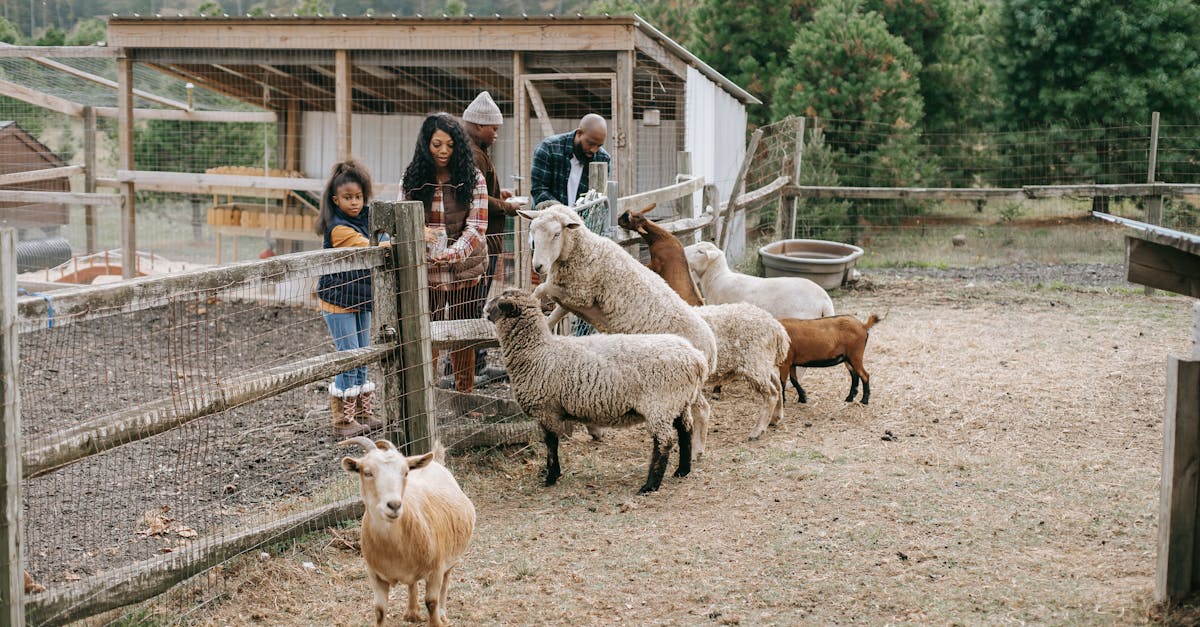
Animal Care During Summer
During the summer, high temperatures can significantly impact the well-being of farm animals. It is essential to provide optimal conditions to prevent heat stress and dehydration. The first step is ensuring an adequate shelter that offers shade and proper ventilation. On scorching days, natural ventilation can be supplemented with fans to maintain a comfortable temperature.
Constant access to fresh and clean water is vital. Ideally, water should be changed at least twice a day to prevent it from heating up and becoming contaminated. For cattle, a daily intake of approximately 50-100 liters of water is recommended, depending on the size and activity level of the animal. In the case of poultry, add extra water containers to avoid overcrowding.
Monitoring the health of the animals is crucial. Signs of heat stress include rapid breathing, lethargy, and lack of appetite. If you notice such symptoms, cool the animals with water or move them to a cooler location. Additionally, adjust their feed rations by providing more easily digestible feed rich in electrolytes to compensate for losses through sweating.
Practical Steps for Efficient Feeding
Proper feeding of farm animals is essential for their health and productivity. Let's start with chickens, which require a balanced mix of grains, proteins, and minerals. A typical mix might include corn, wheat, and barley, supplemented with protein sources like fish meal or soy. Additionally, ensure that chickens have access to calcium, crucial for egg production, by adding crushed eggshells or limestone to their feed.
Cows, on the other hand, need a diet rich in fiber, protein, and energy. Quality hay forms the basis of their diet, complemented by silage and protein-rich concentrates such as sunflower meal. It's important to adjust the amount of feed according to milk production, providing approximately 1 kg of concentrates for every 2-3 liters of milk produced.
Goats require a varied diet, including hay, grains, and mineral supplements. Ensure they have constant access to fresh and clean water. An adult goat typically consumes 2-4 kg of hay per day, and grain supplements should be adjusted based on the animal's weight and health condition.
In conclusion, adapting the feed to the locally available resources and the specific needs of each type of animal is key to a prosperous and sustainable farm.
Calculating Monthly Maintenance Costs
Managing a small farm with various animal species requires careful cost planning to ensure the well-being of the animals and the economic sustainability of the farm. Let's take an example of a farm with 10 chickens, 5 sheep, and 2 cows. Here's how we can calculate the monthly maintenance costs:
- Feed: Chickens require approximately 1.5 kg of feed per day, which amounts to 45 kg per month. At an average price of 2 RON/kg, the monthly cost for chickens is 90 RON. Sheep consume about 3 kg of feed per day, totaling 450 kg per month, and cows approximately 10 kg per day, or 600 kg per month. At an average price of 1.5 RON/kg for sheep and 1.2 RON/kg for cows, the costs are 675 RON and 720 RON respectively.
- Water: Water consumption varies, but generally, a chicken consumes about 0.25 liters per day, a sheep 5 liters, and a cow 50 liters. Calculating at an average cost of 0.5 RON/liter, the monthly costs are approximately 112.5 RON for chickens, 37.5 RON for sheep, and 300 RON for cows.
- Maintenance and Health: Costs for vaccines, deworming, and other necessary treatments can reach approximately 50 RON per month for chickens, 100 RON for sheep, and 200 RON for cows.
- Shelter and Equipment: Maintaining shelters and equipment requires a monthly budget of about 100 RON, regardless of the type of animals.
Thus, the total monthly cost for maintaining this small farm is approximately 2385 RON. It is important to adjust these values based on local prices and the specific needs of your animals.
Common Mistakes in Animal Care
Caring for farm animals can be challenging, especially for novice farmers. One of the most frequent mistakes is overfeeding the animals. For instance, cows and pigs can become obese if overfed, leading to health issues such as metabolic diseases. It is essential to follow a balanced feeding plan tailored to each species and age group, and to consult a veterinary nutritionist to determine the correct rations.
Another common mistake is neglecting vaccinations. Vaccinations are crucial for preventing infectious diseases that can severely impact animal health and lead to significant economic losses. Ensure you adhere to the vaccination schedule recommended by your veterinarian and maintain a clear record of the vaccines administered.
Neglecting the hygiene of shelters is also a frequent issue. Shelters must be cleaned regularly to prevent the buildup of bacteria and parasites. For example, for poultry, it is recommended to clean the bedding once a week and disinfect the shelter monthly.
In conclusion, avoiding these common mistakes requires attention and dedication, but it can significantly improve the health and productivity of your farm animals.
Checklist for Monitoring Animal Health
Monitoring the health of farm animals is crucial to prevent diseases and ensure their well-being. Here is a detailed checklist to help you keep your animals healthy and productive. Daily and weekly checks are essential to quickly identify any potential issues.
- Daily Observation: Ensure that all animals are active and exhibit normal behavior. Check for signs of lethargy, loss of appetite, or unusual behaviors.
- Physical Examination: Once a week, inspect the animals for signs of wounds, swelling, or infections. Check their eyes, ears, and hooves to ensure they are clean and free from signs of infection.
- Weight Monitoring: Weigh the animals monthly to ensure they maintain a healthy weight. A sudden drop in weight may indicate health problems.
- Parasite Control: Check the animals for external parasites such as fleas and ticks, and apply preventive treatments as recommended by your veterinarian.
- Fecal Analysis: Collect and analyze fecal samples quarterly to detect the presence of internal parasites and adjust necessary treatments.
By following this checklist, you can quickly identify any health issues and take preventive measures to keep your farm animals healthy and productive.
The Role of Bees on Your Farm
Bees play a crucial role on your farm, significantly contributing to crop pollination and honey production. In a mixed farming context, bees can enhance crop yields through pollination, leading to healthier and more abundant fruits and vegetables. To care for them properly, it is important to provide a suitable environment and monitor their health.
- Hive Location: Choose a spot sheltered from strong winds and exposed to morning sunlight. Ensure there are water sources nearby.
- Feeding Bees: During periods when flowers are scarce, provide them with nutritional supplements, such as sugar syrup, to maintain their health.
- Disease Control: Regularly inspect hives for signs of diseases or parasites, such as Varroa destructor, and apply appropriate treatments in compliance with local regulations.
- Hive Maintenance: Clean and repair hives annually to prevent infestations and ensure an optimal environment for the bees.
- Crop Rotation: Grow plants that bloom at different times to ensure a continuous source of nectar and pollen.
By carefully tending to bees, you will not only achieve better honey production but also contribute to the overall health of your crops. Bees are vital partners in any farm, and investing in their well-being brings long-term benefits.
Conclusions and Final Recommendations
Effective and sustainable care of farm animals requires a careful and informed approach. Firstly, ensure that each species receives appropriate nutrition. For example, chickens need a mix of grains and proteins to produce quality eggs, while cows require a fiber-rich diet for healthy digestion.
It is essential to maintain a clean and safe environment for the animals. Clean the shelters weekly and ensure adequate ventilation to prevent respiratory diseases. Additionally, regularly check the health status of the animals and work with a veterinarian to establish a vaccination schedule and periodic health checks.
Another important aspect is the management of water resources. Ensure that animals have constant access to fresh and clean water. During the hot season, check multiple times a day to prevent dehydration.
Finally, plan your daily activities to optimize time and resources. For example, set a fixed schedule for feeding and cleaning, which will reduce stress for both you and the animals. By applying these recommendations, you will be able to ensure healthy and productive growth of your farm animals.
Quick Application Checklist
Before implementing the recommendations from the article "Practical Guide for Farm Animal Care in Romania," take a brief moment to assess the actual conditions on your homestead or farm. The best results in animal care are achieved when you document your actions, compare them with the local weather, and return after a few days for a simple review.
- Record the date and the specific plot or area where you are applying the procedure.
- Check the weather forecast for the next 24-48 hours.
- Prepare all necessary materials before you begin the task.
- Apply the recommendation to a clearly defined and easily monitored area.
- Take a photo before and another one after 7 days for comparison.
- Update your records in EcoAsistent to track the history.
Conclusion
A good plan doesn't mean more work, but rather fewer hasty decisions. By following the steps, noting observations, and checking the results after a few days, you can turn a general recommendation into a practical decision for your land, animals, or equipment.