Practical Guide to Lawn Care: From Mowing to Fertilization
Proper Lawn Mowing According to the Season
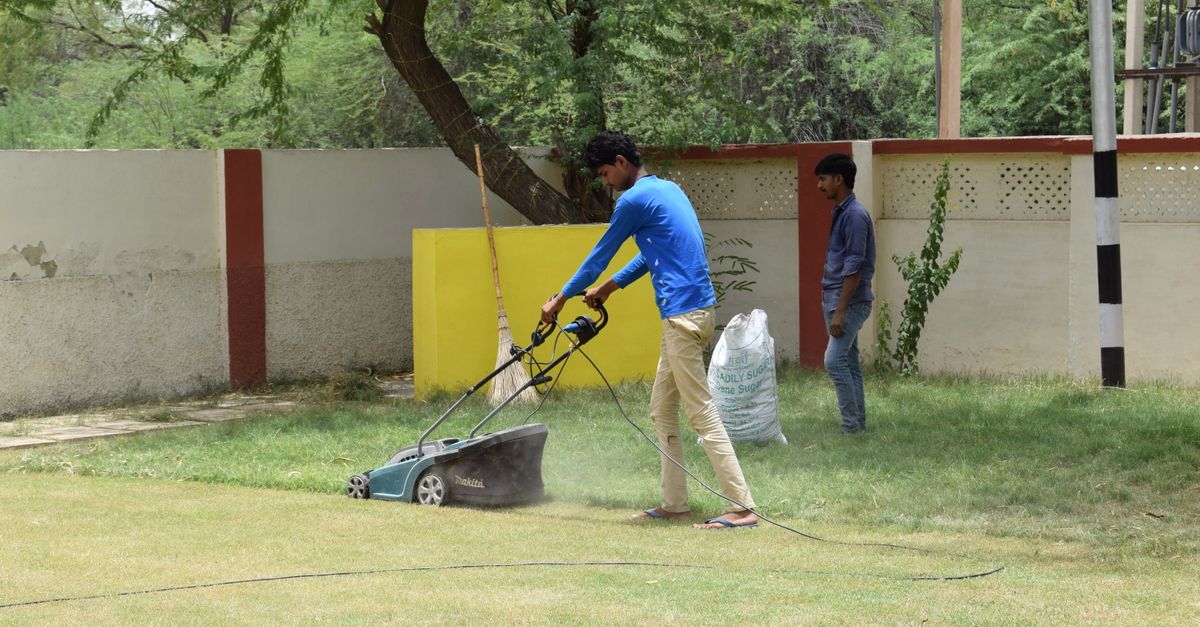
Mowing the lawn is a crucial part of its care and should be adjusted according to the season to keep the grass healthy and vigorous. In spring, when the grass starts growing rapidly, it's important to mow the lawn more frequently, every 5-7 days, maintaining a height of approximately 5-6 cm. This helps stimulate growth and prevent the emergence of weeds. During summer, in periods of intense heat, it is recommended to raise the mower blade to 7-8 cm to protect the roots from scorching and to retain soil moisture.
In autumn, as temperatures drop, you can reduce the mowing frequency to every 10-14 days, keeping a height of 5-6 cm. This prepares the lawn for winter, ensuring that the grass is not too short and vulnerable to cold. In winter, mowing is not necessary, but it's important to avoid heavy traffic on frozen lawns to prevent damage.
Properly adjusting the mower blade height is crucial for lawn health. Cutting too short can stress the grass, making it susceptible to diseases and pests, while cutting too long can lead to the accumulation of plant debris that suffocates the lawn. Therefore, adapting mowing to seasonal conditions is the key to a green and healthy lawn throughout the year.
Identifying and Treating Burnt Areas
Sun or chemical burns can be a common issue for your lawn, but with a bit of attention and care, they can be restored. First, it's important to identify the cause of the burns. If you suspect the sun is responsible, check if the affected areas are those most exposed to sunlight. In the case of burns caused by chemicals, such as fertilizers or herbicides, verify if you've recently applied such products.
Once you've identified the cause, you can begin the recovery process. For sunburnt areas, start by deeply watering the lawn two to three times a week, early in the morning, to allow the water to penetrate deeply into the soil. Avoid shallow watering, which can encourage root development at the surface.
If the burns are caused by chemicals, rinse the affected area with plenty of water to dilute the toxic substances. Then, remove the dead grass and aerate the soil using a garden fork. This will help improve air circulation and drainage.
After preparing the area, it's time to replant. Choose a grass seed mix suitable for your soil and climate conditions. Spread the seeds evenly and lightly cover them with a thin layer of soil. Water the area regularly, keeping the soil moist until the grass begins to grow. Generally, germination should occur in 7-14 days, depending on the type of grass chosen.
With these measures, your lawn should regain its healthy and green appearance in a few weeks. Monitor the progress and adjust care according to the specific needs of your lawn.
Effective Weed Control
Weeds can be a constant challenge for any gardener or farmer, but with the right methods, they can be effectively managed. Correctly identifying weeds is the first essential step. The most common weeds include dandelions, creeping thistle, and white clover. Once identified, appropriate removal methods should be chosen.
Eco-friendly and mechanical methods are preferred to protect the environment and soil health. Here are some practical suggestions:
- Manual Weeding: This is effective for small areas. Ensure you remove weeds with their roots to prevent regrowth. Ideally, do this after rain when the soil is moist, making it easier to pull out the roots.
- Mulching: Applying a layer of organic mulch, such as straw or chopped leaves, can block light from reaching weed seeds, thus inhibiting their growth.
- Boiling Water: Pour boiling water directly onto unwanted weeds. This is an effective method for paved areas or walkways.
- White Vinegar: Spray white vinegar directly onto the leaves of weeds on a sunny day. It acts as a natural herbicide but should be used carefully to avoid harming desired plants.
- Hoeing: Regular hoeing, every 2-3 weeks, helps eliminate young weeds before they spread.
By applying these methods, you can keep your lawn healthy and weed-free, contributing to a cleaner and more sustainable environment.
Preventing and Treating Fungal Diseases
Fungal diseases can severely impact the health of your lawn, showing up as yellow, brown, or even black spots on the grass. One of the most common diseases is powdery mildew, which appears as a white powder on the grass blades. To prevent these issues, it is essential to keep the lawn well-aerated and avoid overwatering, especially in the evening.
Another important aspect is regular mowing, but not too short. Maintaining a height of about 5-7 cm can reduce the risk of fungal infections. If diseases do appear, fungicides containing trifloxystrobin or propiconazole are effective. For example, apply a systemic fungicide at a concentration of 10 ml per 10 liters of water, covering an area of 100 m², and repeat the treatment every 14 days until symptoms disappear.
Additionally, ensure that the lawn receives sufficient sunlight and is mowed with clean equipment to prevent the spread of fungal spores. Another preventive step is applying a balanced fertilizer rich in potassium, which strengthens the plants' resistance to diseases. Finally, regular monitoring of the lawn and quick intervention at the first signs of disease are essential for maintaining a healthy and aesthetically pleasing lawn.
Proper Watering Techniques for a Healthy Lawn
Correct watering of your lawn is essential to maintain a lush and healthy green carpet. Generally, a lawn requires about 1 inch of water per week, including natural rainfall. It is recommended to water the lawn 2-3 times a week, depending on weather conditions and soil type.
Watering should be done early in the morning, between 6:00 AM and 10:00 AM, to allow the water to be absorbed efficiently and to prevent rapid evaporation caused by strong sunlight. Avoid watering in the evening, as it can promote the development of fungal diseases.
- Check soil moisture at a depth of 4 inches to determine if watering is necessary.
- Avoid shallow and frequent watering, which encourages roots to grow near the surface.
- Ensure that the irrigation system covers the entire lawn area evenly.
- Try to reduce watering during periods of heavy rain to prevent excessive soil saturation.
- Monitor the lawn for signs of water stress, such as color changes or leaves that do not return to an upright position after being stepped on.
Proper watering is a crucial part of lawn care and can prevent many issues, including drying out and disease occurrence. Adjust the frequency and amount of water based on the specific needs of your lawn.
Lawn Fertilization: What, When, and How
Proper lawn fertilization is essential for maintaining a healthy and green lawn. Choosing the right fertilizer and applying it at the optimal time are crucial steps in this process. Here is a simple checklist to guide you:
- Choose the right fertilizer: Opt for a slow-release fertilizer that contains nitrogen (N), phosphorus (P), and potassium (K) in balanced proportions, such as 10-10-10. This will ensure consistent and even nourishment for your lawn.
- Timing of application: Fertilize your lawn 2-4 times a year, depending on the type of grass and climatic conditions. An ideal time for the first fertilization is early spring, when the grass begins to grow actively.
- Proper application: Use a fertilizer spreader to ensure even coverage. Avoid manual application, which can lead to over-fertilized or neglected areas.
- Watch the weather forecast: Apply fertilizer before a light rain, which will help nutrients absorb into the soil. Avoid applying before heavy rains, which can wash away the fertilizer.
- Monitor the lawn: Observe the lawn's reaction after fertilization and adjust the amount or frequency of application according to your lawn's specific needs.
By following these steps, you will ensure adequate nutrition for your lawn, contributing to an aesthetically pleasing appearance and increased resistance to diseases and pests.
Conclusion and Final Tips for Lawn Maintenance
Caring for your lawn requires attention and dedication, but with the right steps, you can maintain a healthy and attractive lawn all year round. First and foremost, regular mowing is essential; make sure not to cut more than one-third of the grass height at each mowing to avoid stressing the plants. Generally, mowing should be done once a week during the active growing season.
Fertilization is another crucial aspect. Apply a balanced fertilizer two to three times a year, preferably in spring and fall. Choose a fertilizer with an NPK (nitrogen, phosphorus, potassium) ratio suitable for your soil type and lawn needs. Also, irrigation should be adjusted according to the season; during hot months, ensure the lawn receives about 1 inch of water per week.
Don't forget about soil aeration, which should be done at least once a year, to allow the roots to breathe and absorb nutrients more efficiently. Additionally, monitor the lawn for signs of diseases or pest infestations and act promptly with appropriate, preferably eco-friendly treatments.
Finally, remember that a healthy lawn is the result of consistent care and adaptation to local climate conditions. With these tips, you'll have an enviable lawn that will bring you joy and satisfaction season after season.
Quick Application Checklist
Before implementing the recommendations from the article "Practical Guide to Lawn Care: From Mowing to Fertilizing," briefly assess the actual situation in your household or farm. For optimal lawn care results, it's best to record your actions, compare them with the local weather, and follow up with a simple check after a few days.
- Record the date and the specific plot or area where you are applying the treatment.
- Check the weather forecast for the next 24-48 hours.
- Prepare all necessary materials before starting the task.
- Apply the recommendation to a clearly defined and easily monitored area.
- Take a photo before and another one after 7 days for comparison.
- Update your records in EcoAsistent to track your history effectively.
Conclusion
A good plan doesn't mean more work, but fewer rushed decisions. By following the steps, noting observations, and checking results after a few days, you can turn a general recommendation into a practical decision for your land, animals, or equipment.