Practical Guide to Maintaining Agricultural Equipment: Tractors, Mowers, and Chainsaws
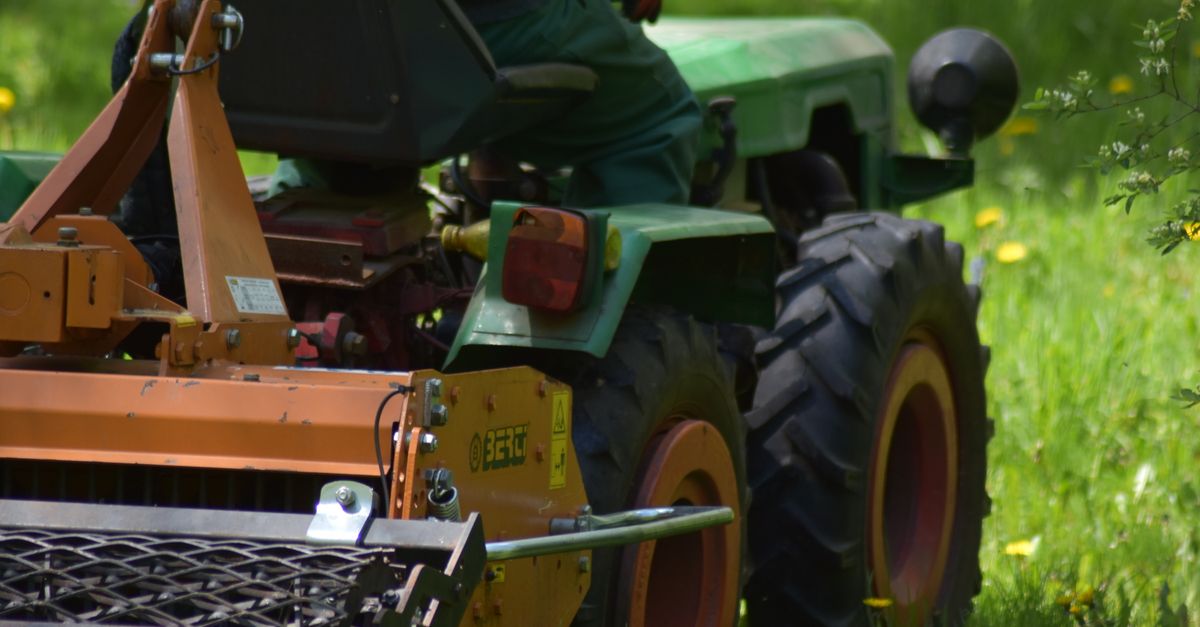
The Importance of Seasonal Maintenance for Agricultural Equipment
Seasonal maintenance of agricultural equipment is crucial to ensure optimal performance and extend their lifespan. For gardeners and farmers, this is not just a recommended activity but a necessity that can prevent costly breakdowns and time losses during critical work periods. For instance, tractors require regular checks of engine oil and filters every 100 hours of operation or at least once at the start of each farming season.
Lawn mowers should be cleaned of plant debris after each use to prevent blockages and premature wear. Additionally, it is advisable to sharpen the blades at least once per season to ensure efficient and even cutting. In the case of chainsaws, checking and correctly tensioning the chain, as well as lubricating it, are essential steps that should be performed before each use.
Neglecting these operations can lead to decreased performance and increased fuel consumption. Therefore, a well-planned maintenance schedule not only improves equipment efficiency but also contributes to operator safety by reducing the risk of accidents caused by technical failures.
Practical Steps for Changing Oil and Filters in Tractors
Proper maintenance of a tractor begins with the regular changing of oil and filters, which is essential for the optimal functioning of the engine. Here’s how to proceed step by step:
1. Preparation: Before starting, make sure you have all the necessary tools at hand: an oil filter wrench, a pipe wrench, a container for collecting used oil, and new oil as per the manufacturer's specifications. It is recommended to change the oil every 200-300 operating hours or according to your tractor's manual.
2. Draining the old oil: Start the engine for a few minutes to warm up the oil, making it easier to drain. Turn off the engine and locate the drain plug under the oil pan. Place the collection container underneath and carefully open the plug. Allow the oil to drain completely, which may take about 10-15 minutes.
3. Replacing the oil filter: Use the filter wrench to unscrew the old filter. Before installing the new filter, apply a little oil to its gasket to ensure proper sealing. Install the new filter and tighten it by hand, avoiding excessive tightening.
4. Adding new oil: Once the old oil has completely drained, close the drain plug and fill the engine with new oil through the fill hole. Check the oil level with the dipstick and adjust if necessary.
5. Final checks: Start the engine and let it run for a few minutes, then turn it off and check the oil level again. Ensure there are no leaks around the filter or the drain plug.
These simple steps will help keep your tractor in good working condition, extending its lifespan and efficiency.
How to Properly Sharpen Mower and Saw Blades
Proper blade sharpening is a crucial step to maintain the efficiency and safety of mowing and cutting equipment. A well-sharpened blade not only improves cutting quality but also extends the lifespan of the equipment. Generally, it is recommended to sharpen mower blades every 20-25 hours of use and saw blades every 10-15 hours, depending on the frequency and intensity of use.
The steps to sharpen blades are as follows:
- Disconnect the equipment: Before starting, ensure the equipment is turned off and disconnected from the power source to prevent accidents.
- Clean the blade: Remove dirt and debris from the blade using a brush or a damp cloth. This step is important to avoid affecting the sharpening process.
- Use a file or sharpening device: For mowers, use a fine file or a special sharpening device for the blades. Start at the base of the blade and move the file towards the tip, maintaining a consistent angle.
- Check the sharpening angle: Maintaining the correct angle, usually between 30-35 degrees, is crucial to ensure efficient cutting.
- Test the blade: After sharpening, reattach the blade and test the equipment on a piece of wood or grass to ensure that the cutting is even and efficient.
By following these steps, you can keep your equipment in optimal condition and extend its lifespan, thus saving time and resources.
Common Mistakes in Equipment Maintenance and How to Avoid Them
One of the most frequent mistakes in maintaining agricultural equipment is neglecting regular oil changes. For tractors, it is essential to change the oil every 250 operating hours or at least once a year to prevent engine wear. Make sure to use the type of oil recommended by the manufacturer.
Another often overlooked aspect is cleaning the air filters. Dirty filters reduce engine efficiency and increase fuel consumption. Check and clean the air filters every 100 hours of use or more frequently if you work in dusty conditions.
For lawn mowers, a common mistake is not sharpening the blades. Dull blades not only leave an uneven appearance but also force the engine to work harder, reducing its lifespan. Sharpen the blades at the beginning of each season and inspect them regularly.
In the case of chainsaws, using improper or dull chains can lead to accidents and poor performance. Ensure that the chains are properly tensioned and sharpened before each use. Additionally, check the chain oil level every time you use the saw to prevent overheating.
Keeping a detailed maintenance record for each piece of equipment can help you anticipate service needs and avoid costly repairs. A simple log with dates and performed interventions can make a significant difference in extending the life of your equipment.
Monthly Maintenance Checklist for Tractors and Mowers
Monthly maintenance of tractors and mowers is crucial to ensure efficient operation and prevent costly breakdowns. Here is a detailed checklist to help you keep your equipment in optimal condition:
- Oil Level Check: Ensure the oil level is within the recommended limits. Top up or change the oil if necessary, using the type specified by the manufacturer.
- Cleaning Air Filters: Dirty air filters can reduce engine performance. Clean or replace the filters monthly to ensure proper ventilation.
- Inspecting the Cutting Blade: Check and sharpen the mower blades to achieve a clean cut. Dull blades can damage the grass and put unnecessary strain on the engine.
- Tire Pressure Check: Correct tire pressure is essential for good traction and to prevent uneven wear. Adjust the pressure according to the manufacturer's specifications.
- Lubricating Moving Parts: Apply grease to all joints and moving parts to prevent wear and corrosion.
By following these simple steps, you will extend the lifespan of your equipment and ensure smooth operation throughout the farming season.
The Role of Professional Service in Equipment Maintenance
Maintaining agricultural equipment goes beyond the checks and repairs you can perform at home. There are times when the intervention of a professional service becomes essential to ensure the optimal functioning and safety of your equipment. For instance, with tractors, it is recommended to consult a specialized service at least once a year or after 500 hours of operation for a complete inspection.
A professional service is equipped with specialized tools and qualified personnel who can identify and fix issues that might not be visible to the naked eye. This is crucial to prevent major breakdowns that could lead to high repair costs or even the replacement of the equipment.
- Check the reviews and reputation of the service before making a decision. A trustworthy service will have positive feedback from other farmers in the community.
- Ensure that the service provides a warranty for the work performed. This gives you the assurance that the repairs are of high quality.
- Inquire about the experience of the mechanics and whether they specialize in the type of equipment you own.
- Verify if the service uses original or equivalent quality parts for repairs.
- Compare prices and services offered by multiple services to ensure you receive a fair quality-price ratio.
Choosing a reliable professional service can significantly extend the lifespan of your agricultural equipment, ensuring they operate at maximum capacity when you need them most.
Conclusions and Recommendations for Agricultural Equipment Maintenance
Regular maintenance of agricultural equipment is essential to ensure their efficient operation and to extend their lifespan. Firstly, it is important to conduct weekly visual inspections of tractors, mowers, and chainsaws to identify any potential oil or fuel leaks, tire wear, and the overall condition of components. Check and replace air and oil filters every 100 hours of operation to prevent dirt buildup that can affect engine performance.
Lubricating moving parts, such as chainsaw chains and mower joints, should be done monthly to reduce friction and wear. Ensure that cutting blades are sharp and well-adjusted to achieve optimal results and reduce mechanical effort. Additionally, storing equipment in a dry place protected from the elements will prevent corrosion and other damage caused by moisture.
Finally, keep a maintenance log to track all activities performed and plan necessary interventions in advance. This will help you avoid costly repairs and keep equipment in good working condition, thereby ensuring increased productivity and enhanced durability of your agricultural investments.
Quick Application Checklist
Before implementing the recommendations from the article "Practical Guide for Maintaining Agricultural Equipment: Tractors, Mowers, and Chainsaws," briefly assess the actual situation in your household or farm. The best results in equipment maintenance are achieved when you document your actions, compare them with local weather conditions, and follow up with a simple check after a few days.
- Record the date and the plot or area where you perform the work.
- Check the weather forecast for the next 24-48 hours.
- Prepare the necessary materials before starting the task.
- Apply the recommendation to a clearly defined and easily monitored area.
- Take a photo before and another one after 7 days for comparison.
- Update your records in EcoAsistent to track the history.
Conclusion
A good plan doesn't mean more work, but fewer rushed decisions. By following the steps, noting observations, and checking the results after a few days, you can turn a general recommendation into a practical decision for your land, animals, or equipment.