Summer Pruning of Grapevines in June: Complete Guide for Abundant Harvest
Why Summer Pruning in June is Crucial
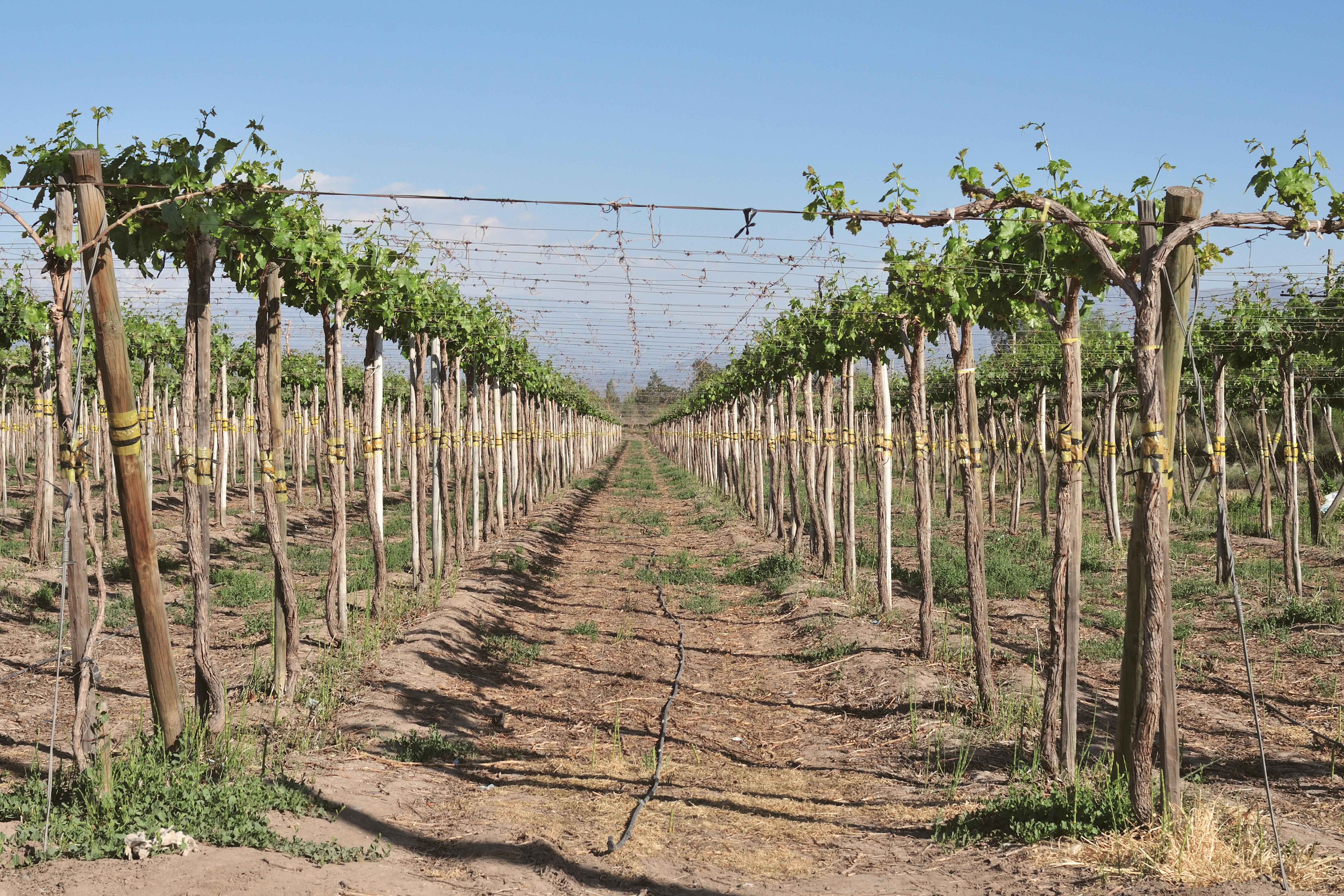
Summer pruning, also known as green operations, represents the set of tasks performed on the active vegetation of grapevines during the intensive growth period. In Romania, June is the optimal time for these interventions, when grapes are already formed but still in the growth phase. This operation directly influences harvest quality, cluster aeration, and prevention of fungal diseases.
Unlike winter pruning, which establishes the plant structure, summer pruning regulates the balance between vegetation and fruiting, ensuring that the plant's energy is directed toward grape clusters rather than unproductive shoots.
When to Perform Summer Pruning
The optimal timing for summer pruning in Romania varies depending on the viticultural zone and the phenological stage of the vine:
- In warmer regions (south and southeast): early June, when shoots have reached 60-80 cm
- In hilly and mountain areas: mid or late June
- For early varieties (Chasselas, Muscat Ottonel): earlier, in the first decade of the month
- For late varieties (Cabernet Sauvignon, Fetească Neagră): in the second half of June
The best time of day for pruning is in the morning after the dew has evaporated, or in the evening, avoiding the hottest hours when the plant is stressed.
Main Summer Pruning Operations
1. Cluster Thinning (Removing Excess Clusters)
Cluster thinning involves removing some clusters to ensure quality production. For table grape varieties, leave 1-2 clusters per shoot, while for wine varieties you can leave more depending on plant vigor.
How to proceed: Remove small, deformed clusters or those located too low on the shoot (below 40 cm from the ground). For varieties with abundant fruiting such as Italia or Moldova, eliminate 30-40% of the formed clusters.
2. Desuckering (Removing Unproductive Buds and Shoots)
This operation eliminates shoots that don't bear clusters and wastefully consume the plant's sap. Remove:
- Sterile shoots from the upper part of the cordon
- Shoots from the lower portion of the trunk
- Very weak or overly vigorous shoots that shade the clusters
3. Shoot Tip Trimming (Topping)
Topping consists of shortening shoots to 5-6 leaves above the last cluster. This operation:
- Redirects energy toward the clusters
- Improves aeration and sun exposure
- Reduces the risk of fungal diseases (downy mildew, powdery mildew)
- Facilitates application of phytosanitary treatments
Cut with sharp, disinfected shears, 10-15 cm above the last cluster, ensuring enough leaves remain for photosynthesis.
4. Basal Leaf Removal
In the latter part of June, for early varieties, you can remove 2-3 leaves from the base of the shoot, in the cluster zone. This operation:
- Improves cluster aeration
- Facilitates sunlight penetration
- Reduces humidity in the fruiting zone
- Prevents the appearance of gray rot
Caution: Don't remove too many leaves at once - maximum 3-4 per shoot, to avoid stressing the plant and suddenly exposing grapes to the sun, which can cause sunburn.
Techniques and Necessary Tools
For effective summer pruning, you need:
- Viticulture shears: with sharp, resistant blades, preferably with bypass system
- Disinfectant solution: rubbing alcohol or a 2% chlorinated lime solution, for cleaning blades between plants
- Protective gloves: to avoid cuts and irritations
- Ties from raffia or plastic-coated wire: for tying shoots to support wires
Disinfect shears frequently, especially when moving from a plant suspected of disease to a healthy one, to prevent pathogen spread.
Common Mistakes to Avoid
1. Pruning too late: If you wait until shoots are already lignified (nearly woody), the plant suffers greater stress and recovery is slower. Summer pruning must be done when shoots are still tender.
2. Excessive leaf removal: Leaves are essential for photosynthesis. Removing too many leaves reduces the plant's capacity to produce sugars and can lead to incomplete grape ripening.
3. Pruning on rainy days: Fresh wounds are entry points for fungal diseases. Avoid pruning when the plant is wet or when rain is forecast within the next 24 hours.
4. Neglecting tool disinfection: Bacterial and viral diseases spread easily through contaminated tools. Disinfect blades regularly.
5. Overly aggressive pruning of weak varieties: Young plants or those with reduced vigor should not be subjected to intensive pruning. Adapt pruning intensity to the condition of each plant.
Post-Pruning Care and Fertilization
After summer pruning, grapevines need additional care to compensate for the stress:
Watering: If weather is dry, provide moderate watering (20-30 liters/plant) 2-3 days after pruning, to help the plant recover.
Foliar fertilization: Apply a foliar treatment with complex fertilizers (NPK 20-20-20) 5-7 days after pruning, to stimulate rapid recovery. A solution of 2-3 g/liter water, applied in the evening, helps plant recovery.
Preventive treatments: After 3-4 days from pruning, apply a preventive fungicide treatment (mancozeb or sulfur-based products), as wounds constitute entry pathways for pathogens.
Long-Term Benefits
Properly executed summer pruning in June brings multiple advantages:
- Increase in grape mass by 15-25%
- Improvement in sugar content by 1-2 degrees Brix
- Reduction in fungal disease incidence by up to 40%
- Uniformity of grape ripening
- Facilitation of harvesting and treatments
- Extension of the plant's productive lifespan
Conclusion
June summer pruning is a time investment that pays off through superior quality grapes and a healthy grapevine. This operation, although requiring attention and patience, makes the difference between a mediocre harvest and an abundant one. Follow the basic principles - proper timing, correct technique, and post-pruning care - and you'll notice significant improvements in your vineyard's productivity. Don't forget that each variety and each plant has its particularities, so careful observation and adaptation of techniques to specific conditions are the keys to success in modern viticulture.